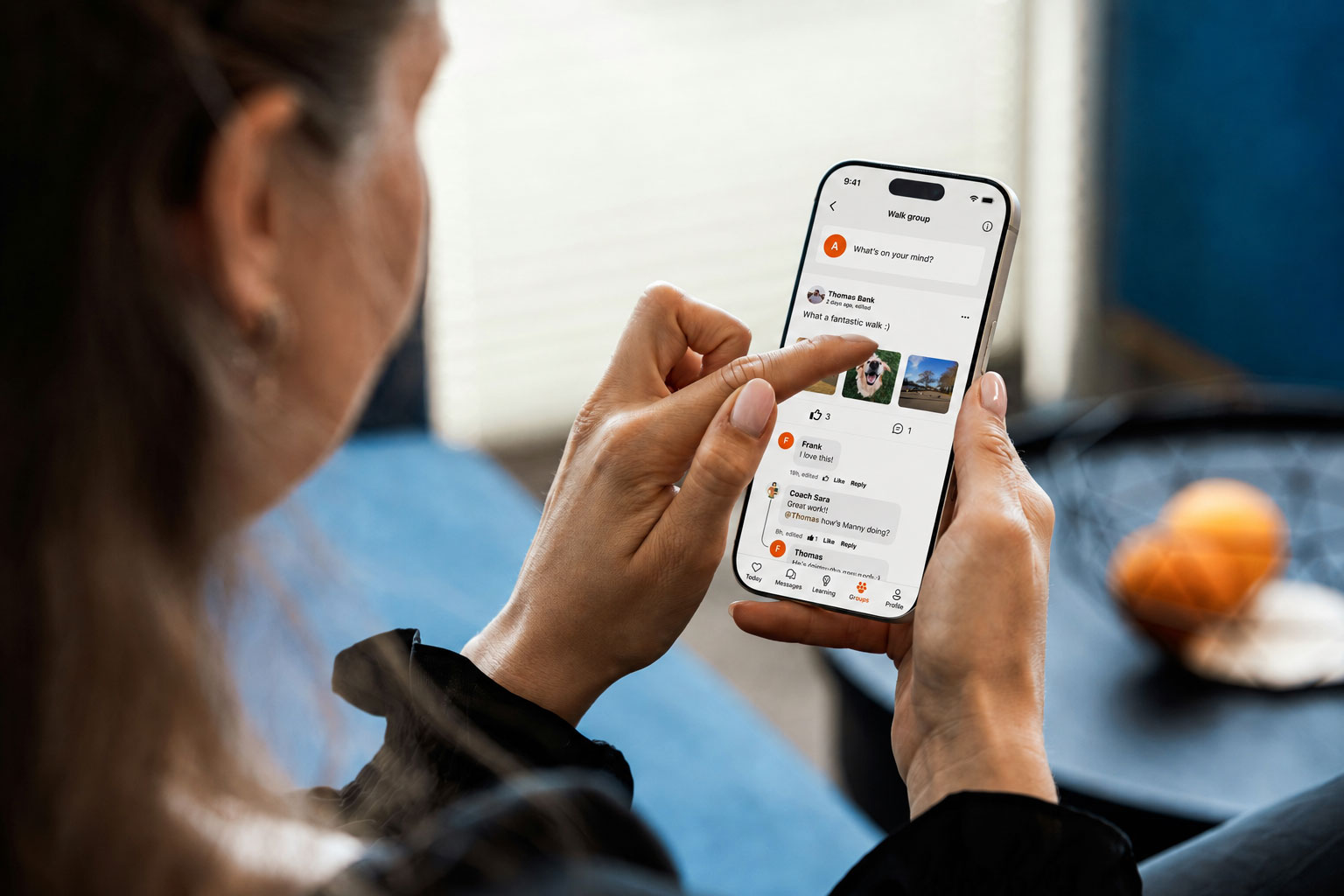
How can weight management services plan ongoing support? Explore continuity of coaching, regular review and support between appointments.
Chronic conditions are lived every day and managed a few times a year. Best practice closes that gap with behaviour change, scalable delivery and wraparound care.
Compare digital health apps by their intended population, programme design, professional support, assurance, evidence and measurable outcomes.
ive questions separate a digital health partnership worth signing from one you unwind next year, and most insurers ask the important one last.
Which digital health programmes actually reduce claims costs? Those that keep members engaged long enough to prevent disease progression and costly complications.
A successful digital health pilot means little unless it can fit routine delivery. In this article, we share five questions that show whether an initiative can become a programme.
Private hospitals already treat patients with metabolic risk. The next growth opportunity is building chronic care pathways around the services and patients they already have.
Sustained engagement is the part of digital health that does not show up in a launch metric, and it is the part that determines whether a programme produces outcomes or just sign-ups.
Learn how to measure ROI on chronic disease programmes through clinical outcomes, productivity recovery, and long-term cost reduction.
Most HR and benefits leaders know their sickness absence numbers. They track days off, monitor absence rates, and report to the board on headcount availability.
One question comes up in almost every conversation with private hospitals, health insurers, and clinical operators evaluating a digital health platform: "What does implementation actually look like?"
A systematic review and meta-analysis of app-based interventions for chronic disease found that up to 80% of users engage only minimally, defined as logging in fewer than twice.

.jpg)